Feb 4, 2023

About Kaiseki Ryori Food in Kyoto Japan

Kaiseki is a traditional Japanese culinary art form that originated in the imperial court and has since evolved into a sophisticated and elaborate dining experience. The term “kaiseki” means “warming the body” and refers to the traditional tea ceremony meal served before the tea was consumed. Over time, the term has come to encompass the full multi-course dinner experience.


Kaiseki is a celebration of the seasons, showcasing the freshest and most seasonal ingredients of the region. Each dish is prepared with meticulous attention to detail, from the way the ingredients are sliced and presented, to the seasonings and cooking methods used. The meal is designed to be a balance of flavors, textures, and colors, with each dish complementing the others to create a harmonious dining experience.

A typical kaiseki meal consists of several small dishes, each with its own unique flavor and preparation. The meal often starts with a light dish such as sashimi or grilled fish, followed by a soup or simmered dish, and then pickled vegetables. Rice and miso soup are typically served as the final dishes, accompanied by a carefully selected sake that complements the flavors of the meal.

The presentation of kaiseki dishes is just as important as the flavors themselves. Each dish is carefully arranged on the plate, taking into account the color, texture, and balance of the ingredients. The overall look of the meal is designed to be visually appealing, with the intention of delighting all five senses.


Kaiseki is considered one of the highest forms of Japanese cuisine and is typically served in high-end restaurants and ryokan inns. The meal is often enjoyed on special occasions such as weddings, business events, and other celebrations, where it is considered an honor to be able to experience the traditional meal.

The preparation of kaiseki requires a great deal of skill and expertise, as each dish must be carefully crafted to meet the high standards of quality and flavor. Chefs who specialize in kaiseki undergo years of training and apprenticeships, mastering the techniques and traditions of the art form.

In conclusion, kaiseki is a unique and memorable dining experience that showcases the best of Japanese cuisine. From the use of seasonal ingredients, to the meticulous preparation and presentation of each dish, kaiseki is a celebration of culinary excellence that should not be missed. If you have the opportunity to experience kaiseki, be prepared for a truly unforgettable dining experience that will leave you feeling satisfied, both physically and culturally.

Feb 3, 2023

About Mamemaki in Setsubun Culture in Japan


Mamemaki is a traditional Japanese custom
that is performed during the Setsubun festival. Setsubun is celebrated on February 3rd in Japan and marks the end of winter and the beginning of spring.

Mamemaki is a ritual that involves tossing roasted soybeans out of the house or temple and at demons and evil spirits. The act of tossing the beans is said to drive away evil and bring good luck and happiness for the coming year. The phrase "Oni wa soto, fuku wa uchi" ("demons out, happiness in") is often shouted during this ritual.


In homes and temples, the head of the household or the priest typically performs the mamemaki ritual, tossing the beans while family members or worshippers chant the phrase and close their eyes. Some families also eat a specific number of soybeans, corresponding to their age, to further ensure good luck and health for the coming year.


Mamemaki is an important part of Setsubun celebrations and is considered a fun and festive way to welcome spring and drive away evil.

What is Dogeza? Japanese Style of Apology


Dogeza is a traditional Japanese bow that is performed as a sign of apology or contrition. The word "dogeza" literally means "to kneel down and prostrate oneself."

In this bow, a person kneels down on both knees and then places their hands and forehead on the ground, as a way to show deep remorse or respect. Dogeza is considered a very formal and respectful way to apologize and is often used in traditional Japanese settings, such as tea ceremonies and formal meetings.

dogeza man

Dogeza is still practiced in modern Japan and is used as a symbol of sincere apology and respect. It is also used in traditional Japanese theater and martial arts, and is considered a sign of humility and submission.

dogeza statue


Jan 27, 2023

Kyoto Zoo traveling spot for family with kids

Kyoto Zoo is a public zoo located in Kyoto, Japan. It is also known as the Kyoto Municipal Zoo and is one of the oldest zoos in Japan. The zoo is home to a wide variety of animals from around the world, including elephants, lions, and monkeys. The zoo has a variety of habitats for animals, including a savannah, a tropical rainforest, and a polar area.

One of the main attraction of the Kyoto Zoo is the "African Lion" exhibit, which features a group of African lions. The zoo also has a special exhibit dedicated to the Giant Panda, one of the most beloved animal species in the world. Visitors can observe the pandas as they eat bamboo and play in their enclosure.

The Kyoto Zoo also has a number of interactive activities for visitors, including a petting zoo where visitors can touch and learn about different animals, and feeding times where visitors can watch the animals eat. The zoo also offers special events and programs, such as lectures and workshops, throughout the year.

The Kyoto Zoo is a popular destination for families with children, and is a great way for visitors to learn about the animals and their habitats. The zoo is conveniently located near other popular tourist spots in Kyoto, such as the Kyoto Railway Museum and the Kyoto Studio Park.

Other Traveling Spot for Family with Kids
Other Kyoto Traveling Spot

Kyoto Aquarium Best traveling spot for family with kids

Kyoto Aquarium is a public aquarium located in Kyoto, Japan. The aquarium is known for its wide variety of marine life from around the world, including sharks, rays, and tropical fish. The aquarium features a number of tanks and exhibits that simulate different marine environments, including the Pacific Ocean, the Indian Ocean, and the Antarctic Ocean.


One of the main attraction of the Kyoto Aquarium is the "Jellyfish Fantasy" exhibit, which features a wide variety of jellyfish in different colors and shapes. The aquarium also has a special exhibit dedicated to the sea creatures of the Seto Inland Sea, including the sea creatures of the Seto Inland Sea such as sunfish, sea turtle, and octopus.


The Kyoto Aquarium also has a number of interactive activities for visitors, including a touch pool where visitors can touch and learn about different sea creatures, and feeding times where visitors can watch the animals eat. The aquarium also offers special events and programs, such as lectures and workshops, throughout the year.


You can See in Kyoto Aquarium:


Jellyfish: The aquarium features a special exhibit dedicated to jellyfish, showcasing different species of jellyfish in various colors and shapes.


Fish from the Seto Inland Sea: The aquarium has a special exhibit dedicated to the sea creatures of the Seto Inland Sea, including sunfish, sea turtle, and octopus.


Sharks: The aquarium features a variety of shark species, including the sand tiger shark, the blacktip reef shark, and the leopard shark.


Penguins: The aquarium has a special exhibit dedicated to penguins, where visitors can watch the penguins swim and play.


Touch Pool: The aquarium has a touch pool where visitors can touch and learn about different sea creatures.


Feeding Times: The aquarium has feeding times where visitors can watch the animals eat and learn more about their feeding habits.


Special Events and Programs: The aquarium offers special events and programs throughout the year, such as lectures and workshops, to provide visitors with a more interactive and educational experience.


Please keep in mind that the display of animals can change over time and some species may not be available to be shown due to breeding or other reasons.


The Kyoto Aquarium is a popular destination for families with children, and is a great way for visitors to learn about the marine life and the ecology of the ocean. The aquarium is conveniently located near other popular tourist spots for family with kids in Kyoto, such as the Kyoto Railway Museum and the Kyoto Studio Park.

Kyoto Aquarium Official
Other Traveling Spot in Kyoto

Traveling Spots in Kyoto Japan for families with children


Kyoto, Japan have great spots for families with children, as there are many fun and educational activities and attractions to enjoy. Here are a few popular spots for kids in Kyoto:

Kyoto Aquarium 

this aquarium features a wide variety of marine life from around the world, including sharks, rays, and tropical fish. Children can learn about the different animals and their habitats, and there are also feeding times where visitors can watch the animals eat.
 
Video Winter snow art with jelly fish by Kyoto Aquarium Official


Kyoto Railway Museum 

this museum offers a hands-on experience for children, where they can learn about the history and technology of trains in Japan. The museum features a variety of interactive exhibits, including a mini train simulator and a train ride through the museum.and this museum is very Near(Beside) from Kyoto Aquarium which have Huge Park so Kids Never get Bored at this places

Kyoto Railway Museum Promotion Video by official


Kyoto Zoo 

this zoo is home to a wide variety of animals from around the world, including elephants, lions, and monkeys. Children can learn about the different animals and their habitats, and there are also feeding times where visitors can watch the animals eat.


Kyoto Studio Park( Toei Eiga Mura ) 

 this theme park offers children the chance to experience life in ancient Japan, with replicas of Edo-period streets and traditional buildings. Visitors can also try traditional activities like archery and sword fighting.

Toei Eigamura Official youtube

Kyoto Gyoen National Garden 

One of the most popular spot for families with children in Kyoto, this garden is a large park with a variety of walking trails, a pond, and a playground. Children can enjoy the wide open spaces and the natural beauty of the garden.


It's worth to note that Kyoto is also a very walkable city, and many of the temples and shrines are also interesting for kids, as they can learn about the history, culture and architecture of Japan.

Other Traveling Spot in Kyoto Japan


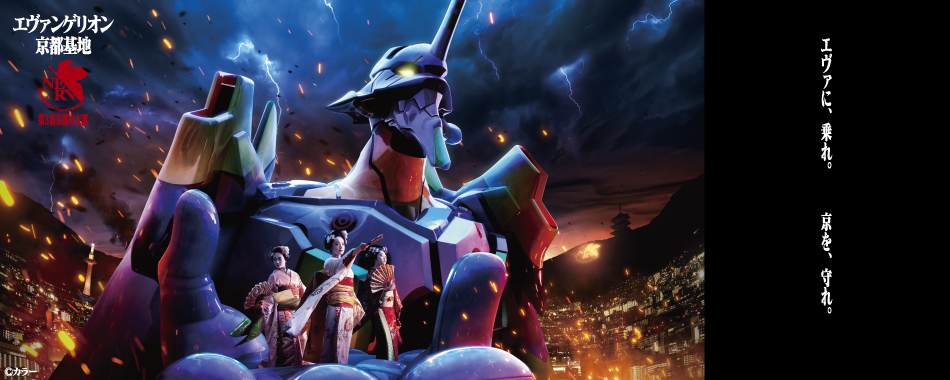
Meet NINJA! Toei Eigamura Kyoto Studio Park in Japan

Toei Eigamura, also known as Toei Kyoto Studio Park, is a movie studio and theme park located in Kyoto, Japan. The studio is operated by Toei Company, one of Japan's major film production companies, and is used to film a variety of movies and TV shows, including historical dramas and action films.


Image By Eigamura Official website

The theme park, which is open to the public, offers visitors the opportunity to step back in time and experience life in ancient Japan. The park features a number of sets and attractions that are based on different historical periods, including the Edo period (1603-1868) and the Meiji period (1868-1912). Visitors can explore the sets, watch live performances, and even participate in traditional Japanese activities such as archery and sword fighting.


One of the main attraction of the park is the Edo-period street, a replica of an Edo period street which is lined with traditional Japanese buildings and shops where visitors can try traditional Japanese sweets and souvenirs.

The park also features a number of museums and exhibits, including the Toei Kyoto Studio Museum, which provides a behind-the-scenes look at the film production process and showcases a variety of costumes and props used in past productions.


Toei Eigamura is a popular tourist destination, especially for those interested in Japanese history, culture, and movies.


Toei Eigamura official website

Other Kyoto Traveling Spot

Nishijin-ori traditional Japanese textile in Kyoto Japan

"Nishijin-ori" is a type of traditional Japanese textile that is produced in the Nishijin area of Kyoto, Japan. It is known for its intricate and detailed patterns, as well as its high quality and luxurious feel.

The technique of Nishijin-ori dates back to the Heian period (794-1185) and it was developed during the Edo period (1603-1868) by skilled artisans who used silk thread to weave intricate designs on silk fabrics. The traditional Nishijin-ori fabrics are used for kimono, obi, and other traditional clothing items.


The fabrics are made by using a technique called "yuzen" which is a method of dyeing silk fabrics in which patterns are applied using stencils. The fabrics are then woven on a loom using the dyed threads. The process is very time-consuming and requires a high level of skill.


Nishijin-ori fabrics are highly valued and are considered works of art. They are often used for special occasions, such as weddings and traditional Japanese festivals, and are also highly sought after by collectors.


Nishijin-ori industry is also suffering from decrease in demand for traditional Japanese textile, however, the industry is trying to adapt to the modern taste by creating new designs and products, such as bags, wallets, and other small items.

Kyoto Travel Spots

Ginkaku-ji Silver Pavilion in Kyoto Japan

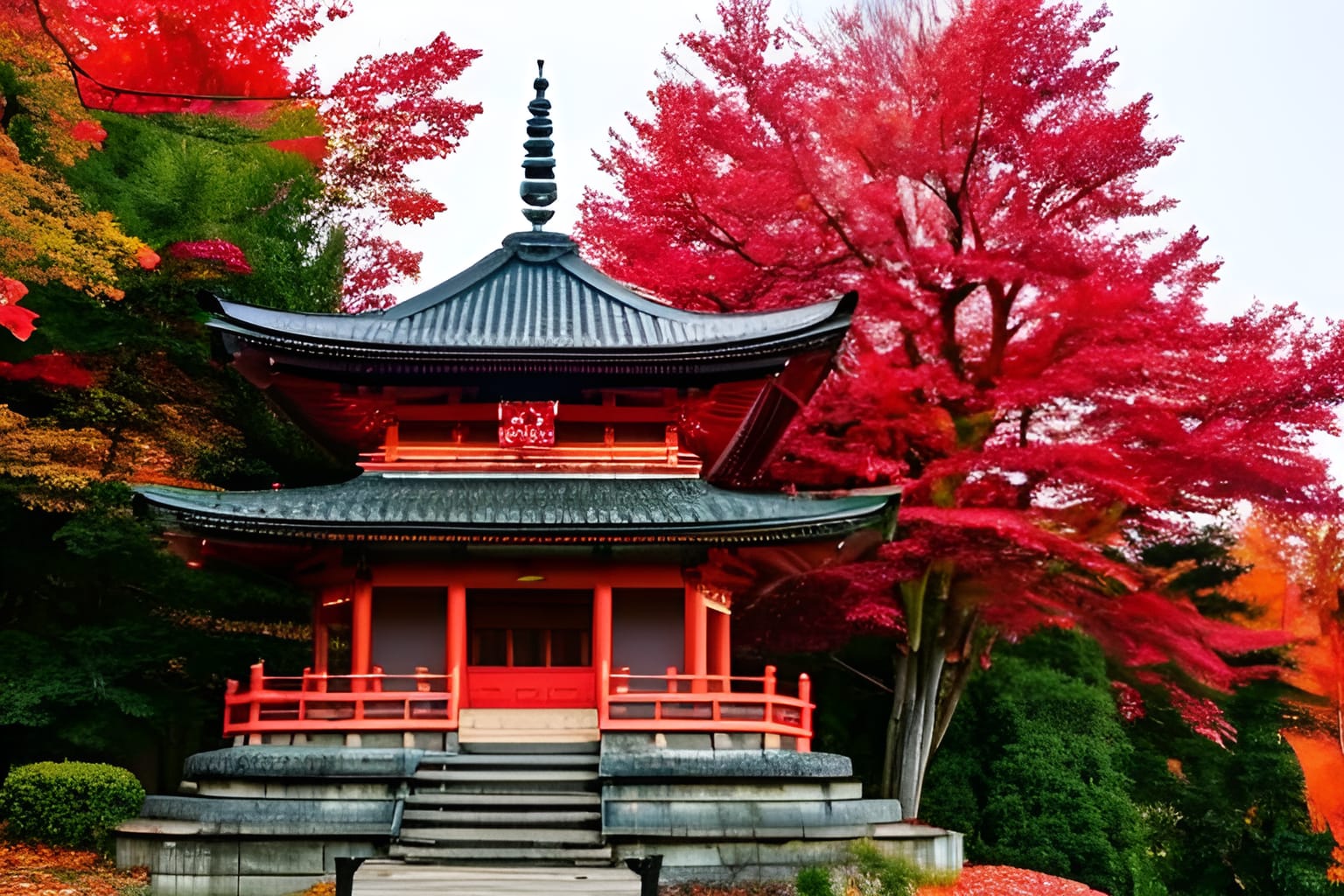
ginkaku-ji silver pavilion in Kyoto Japan
Ginkaku-ji, also known as the Silver Pavilion, is a Zen temple located in Kyoto, Japan. It was built by Ashikaga Yoshimasa, the 8th shogun of the Ashikaga shogunate in the late 15th century as a retirement villa and modeled after Kinkaku-ji, the Golden Pavilion. Unlike Kinkaku-ji, Ginkaku-ji was never covered in silver leaf, which is how it got its name.

The temple is known for its beautiful gardens and architecture, including the famous "Sea of Silver Sand" and "Moon-Viewing Platform." The temple's gardens feature a variety of plants and trees, including a number of different types of bamboo, as well as a number of stone lanterns and other decorative elements.


In addition to its gardens, Ginkaku-ji also features a number of important cultural artifacts, including a number of national treasures and important cultural properties, including the famous "Phoenix Hall" which is a two-story wooden structure that houses an Amida Buddha statue, considered as one of the most beautiful example of Momoyama period architecture.

Ginkaku-ji is a UNESCO World Heritage site and is considered one of Kyoto's most popular tourist destinations.

About Tengu in Japan

Tengu are legendary creatures from Japanese folklore that are said to have originated from the Chinese Tiangou. They are typically depicted as a combination of bird and human features, often with a long nose or beak, and are known for their supernatural abilities. They are considered powerful and mischievous spirits, known for their martial arts skills and their ability to shape-shift.


In Japanese folklore, Tengu are believed to live in the mountains and forests, and are often associated with the god of the hunt. They are also associated with Shugendo, a form of Japanese mountain asceticism that involves martial arts training, and they are often depicted with a weapon such as a sword or a fan. They are also associated with the god of martial arts, Takemikazuchi


In religious context, Tengu are also considered as protector of Buddhism. They are often depicted in temple art and in temple stories as protectors of sacred places and as guides for the souls of the dead.


In modern pop culture Tengu are used in anime and manga, in video games and in other forms of media, often depicted as characters with supernatural powers and abilities.

About Ashikaga Yoshimitsu who build Tenryuu-ji Temple

Ashikaga Yoshimitsu was the third shogun of the Ashikaga shogunate in Japan, who ruled from 1368 to 1394. He was a member of the Ashikaga clan and a descendant of Ashikaga Takauji, the founder of the shogunate. He was a powerful and ambitious ruler, who expanded the shogunate's territory and solidified its power.

He was also a patron of the arts, and under his rule, the cultural life of Japan flourished. He was also a patron of Zen Buddhism, and as a result, many Zen temples and gardens were built during his reign, including Tenryu-ji Temple which is considered one of the city's five great Zen temples. He also built the Kitayama culture which was a cultural movement that was characterized by the construction of large and luxurious villas in the western hills of Kyoto during the late 14th century.

He died in 1394 and was succeeded by his son Ashikaga Yoshimochi.

Tenryu-ji Temple in Arashiyama Kyoto Japan


 Tenryu-ji Temple is a Zen Buddhist temple located in Arashiyama, Kyoto, Japan. It was founded in the 14th century by the Shogun Ashikaga Yoshimitsu and is considered one of the city's five great Zen temples. Tenryu-ji is known for its beautiful gardens, which include a pond garden, a rock garden, and a bamboo garden. The temple also features a number of important cultural artifacts, including a number of national treasures and important cultural properties. The temple is also part of UNESCO World Heritage site named "Historic Monuments of Ancient Kyoto"


Meet Dragon in Tenryu-ji

Tenryu-ji Temple is home to a number of dragon statues, including one that is particularly notable. The temple's main gate, known as the Sanmon, features a large dragon sculpture that is said to be one of the finest examples of dragon art in Japan. The dragon is depicted with its body coiled around a large pearl and its head held high, as if ready to breathe fire. The dragon is a symbol of the temple's founder, Ashikaga Yoshimitsu, who was said to have had a dragon as his guardian spirit. The dragon statue is considered a masterpiece of the Kamakura period and is considered a National treasure of Japan.

About arashiyama and other travel spot in arashiyama

Other Kyoto Travel Spot

Jan 23, 2023

Daruma in Japan

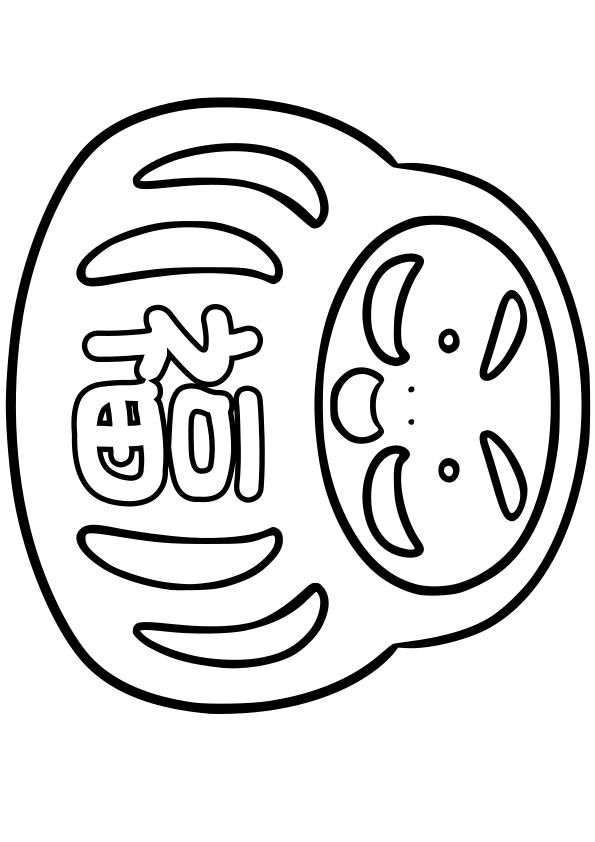
Daruma coloring Page

Daruma is a traditional Japanese doll that is often used as a talisman for good luck and perseverance. The doll is modeled after the founder of Zen Buddhism, Bodhidharma, and is typically red in color. The doll has no arms or legs, and is often sold with a set of eyes that the owner can paint in. One eye is painted in when a wish or goal is set, and the other is painted in when the goal is achieved. The daruma is also seen as a symbol of perseverance, as it is able to right itself after being knocked over. It is a common gift for people who are starting a new business, studying for an exam or starting a new project.

Jan 22, 2023

Shinto Japan Religion Story


Shinto, also known as kami-no-michi, is the indigenous religion of Japan and the belief in and worship of kami, or spirits. The word "Shinto" means "the way of the gods." The origins of Shinto are uncertain, but it is believed to have developed in Japan more than 2,000 years ago.


Shinto beliefs center on the worship of kami, which are spirits or deities that can be found in nature, such as mountains, rivers, and trees, as well as in human ancestors. The kami are believed to have the power to bring good fortune or bring disaster, and thus are honored and revered in Shinto practices.


Shinto has no founder, no official holy text, and no central authority. Instead, it comprises a collection of local practices and beliefs that have evolved over time. It is a polytheistic religion, with a pantheon of kami that includes gods of nature, gods of agriculture, and gods of war.


Shinto practices include rituals such as purification, offerings of food and drink, and ceremonies that mark important life events such as birth, marriage, and death. It also includes festivals, or matsuri, which are celebrated throughout the year and are often associated with the worship of specific kami.


Shinto has been an important part of Japanese culture and society for centuries, and it continues to be practiced by many Japanese people today, often in combination with Buddhism and other religions.

Gods in Shinto

In Shinto, gods or kami are spirits or deities that can be found in nature, such as mountains, rivers, and trees, as well as in human ancestors. They are believed to have the power to bring good fortune or bring disaster, and thus are honored and revered in Shinto practices.

There are many gods or kami in Shinto, and the exact number and names of them can vary depending on the specific tradition or sect of Shinto. Some of the most well-known and important gods in Shinto include:


Amaterasu, the sun goddess and ancestor of the Imperial Family.

Inari, the god of fertility, agriculture, and prosperity.

Susano-o, the god of storms and sea.

Tsukuyomi, the god of the moon.

Raijin, the god of thunder.

Hachiman, the god of war and protector of the nation.

Benzaiten, the goddess of music, eloquence, and good fortune.

Ebisu, the god of fishing and commerce.

Kamado, the goddess of the kitchen and home.

Hoori, the god of fishing and hunting

Izanagi and Izanami, the creator gods who birthed the islands of Japan and many other kami

Shinatsuhiko and Shinatsuhime, the kami of agriculture and food

Sarutahiko, the kami of martial arts and archery

Kunitokotatchi, the god of good health and longevity

Omoikane, the god of wisdom and intelligence

Futsunushi, the god of swords and martial arts

Tengu, the god of martial arts, archery, and yamabushi (mountain ascetics)

This is not an exhaustive list, but it's a good representation of the most known gods in Shinto.

Kojiki Record of Ancient Matters Japan Chronicle

The Kojiki, also known as the "Record of Ancient Matters," is an ancient Japanese chronicle that was written in 712 AD. It is considered to be the oldest extant chronicle in Japan and one of the oldest in the world. The Kojiki provides a detailed account of the myths, legends, and history of ancient Japan, including the creation of the world, the origins of the Japanese imperial line, and the deeds of the gods and goddesses who were said to have ruled the land in ancient times.


The Kojiki is divided into three parts: the Kamiyo no Maki (Age of the Gods), the Shinto no Maki (Age of Shinto), and the Kogo no Maki (Age of Imperial Reigns). The Kamiyo no Maki is the most famous part of the Kojiki, which tells the stories of the gods and goddesses who created Japan and the Japanese people.


The Kojiki is an important source of information for understanding the religious and cultural history of Japan, and it continues to be widely studied by scholars today. The Kojiki is also considered as a valuable reference for understanding the Shinto religion and the origin of Japanese mythology.

The Kyoto Tower Kyoto Japan Traveling spot


The Kyoto Tower is a 131-meter tall tower located in the city of Kyoto, Japan. It is the tallest building in Kyoto and offers great views of the city from the observation deck. The tower was completed in 1964 and has been a popular tourist attraction ever since.


The observation deck is located on the 13th floor of the tower, and it provides panoramic views of the city. Visitors can also see Mount Hiei, Mount Atago, and other surrounding mountains. There is also a souvenir shop and a restaurant at the top of the tower.


The tower is located in the central part of Kyoto, and it is easy to access by public transportation or by foot. It is located near several other popular tourist attractions such as the Kyoto Railway Museum and the Kyoto National Museum.

View from Kyoto Tower

Visitors should be aware that the tower may be closed temporarily due to maintenance or weather conditions. It's always best to check the official website before visiting.

Places to visit in Kyoto Japan

Kyoto Railway Museum

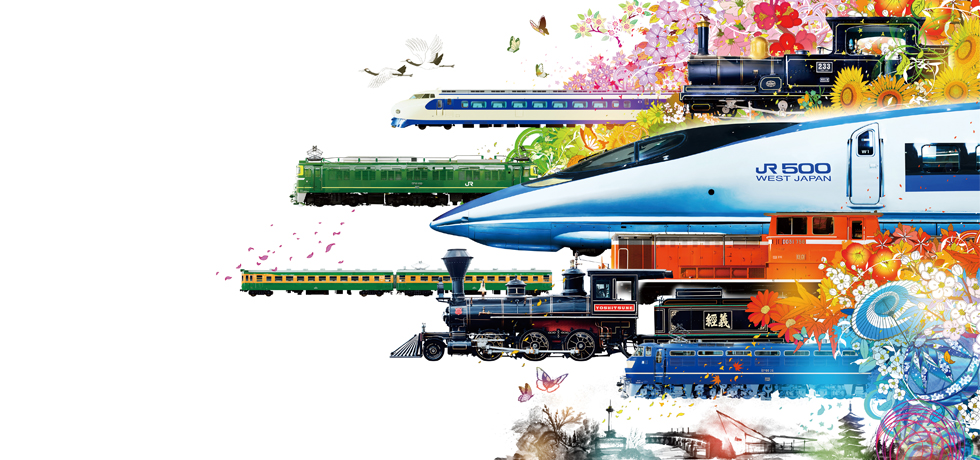
 The Kyoto Railway Museum is a museum in Kyoto, Japan that is dedicated to the history of trains and railroads in Japan. It opened in 2016 and features exhibits on the history of trains and railroads in Japan, including old train cars, engines, and other railway equipment.


The museum has a large collection of train cars on display, including steam engines, electric trains, and Shinkansen (bullet trains). Visitors can also explore the inside of the train cars and learn about the history of train travel in Japan. There are also interactive exhibits, such as a train simulator, where visitors can experience what it's like to drive a train.


The museum also features a large collection of railway equipment and artifacts, including old tickets, uniforms, and other items that were used by railway workers. Visitors can also learn about the technological advancements in the railway industry, including the development of the Shinkansen.


The Kyoto Railway Museum is a popular destination for railway enthusiasts and families with children. The museum also has a gift shop and a restaurant where visitors can enjoy a meal or snack.


Also visit traveling spot near railway museum:

The Kyoto Railway Museum is located in the city of Kyoto, Japan, and there are several popular tourist attractions and places to visit near the museum. Some of the nearby places include:

The Kyoto Aquarium: This is a large aquarium located near the museum that features a variety of marine life from around the world. It is popular with families and children.You can access kyoto aquarium by foot from Kyoto railway museum.

also have Huge park beside here soo you have to visit aquarium and railway museum if you visit kyoto with your children.


The Kyoto Tower: This is the tallest building in Kyoto and offers great views of the city from the observation deck. It is located just a short walk away from the museum.


The Kyoto National Museum: This museum is located near the museum and is dedicated to the history and art of Japan. It features a large collection of Japanese art and artifacts, including pottery, paintings, and sculptures.


The Nijo Castle: This is a UNESCO World Heritage Site located near the museum. It is a well-preserved castle that was built in the 17th century and is known for its beautiful gardens and architectural details.


The Fushimi Inari Shrine: This is one of the most popular shrines in Kyoto, known for its thousands of torii gates that lead up a mountain. It is a short train ride from the museum.


The Gion district: This is a traditional area of Kyoto, known for its geisha, teahouses, and narrow streets. It's a great place to explore and experience traditional Japanese culture.


All of these places are easily accessible by public transportation or by foot.

Kyoto Railway Museum

Places to visit in Kyoto Japan


Sanjusangendo Kyoto Japan Travel spot

Sanjusangendo is a Buddhist temple located in Kyoto, Japan. It is known for its long wooden hall, the Sanjusangendo Hall, which houses 1,001 statues of the Thousand-Armed Kannon, the bodhisattva of compassion. The temple was built in the 13th century, and it is considered one of the most important cultural properties in Japan.


The Sanjusangendo Hall is the longest wooden structure in Japan and it's 120 meters in length. The hall houses 1,001 statues of the Thousand-Armed Kannon, each one measuring around 1.9 meters tall. The statues are made of Japanese cypress and are all unique. The statues are arranged in rows, with the central statue being the largest and the most ornate.


The temple also features a number of other important cultural properties, including the H?j?, the main hall, which houses the temple's main altar, and the Renge?-in sub-temple, which houses a statue of the temple's founder, T?d? Sh?nin.


Sanjusangendo is a popular destination for tourists and Buddhist devotees, as it offers a glimpse into the history and culture of Buddhism in Japan. Visitors can explore the temple's beautiful buildings, gardens, and cultural treasures, and also participate in religious rituals and ceremonies.


Places to visit in Kyoto Japan

Chion-in Temple in Kyoto Japan

 Chion-in is a Buddhist temple located in Kyoto, Japan. It is the head temple of the Jodo sect, one of the most important sects of Pure Land Buddhism in Japan. The temple was founded in 1234 by H?nen, the founder of Jodo Buddhism, and it has been one of the most popular and influential temples in Japan throughout its history.


One of the most notable features of Chion-in is its main gate, the Sanmon, which is the largest temple gate in Japan. The gate is a National Treasure of Japan and is known for its large size and intricate carvings. The temple also features a large bell, the Great Bell of Chion-in, which is the largest temple bell in Japan and another National Treasure.


Chion-in is also known for its beautiful gardens, including the Otowa no taki waterfall, which is said to have healing properties. The temple is also home to a number of important cultural properties, including the Amidado Hall, the H?j?, and the Shaka-d?.


Chion-in is a popular destination for tourists and Buddhist devotees, as it offers a glimpse into the history and culture of Jodo Buddhism in Japan. Visitors can explore the temple's beautiful buildings, gardens, and cultural treasures, and also participate in religious rituals and ceremonies.


Places to visit in Kyoto Japan

The Kyoto Imperial Palace Japan travel spot

The Kyoto Imperial Palace is a historical building located in Kyoto, Japan. It was the residence of the Emperor of Japan and the Imperial Family from 794 to 1869, during the Heian period. The palace is located on the grounds of the Kyoto Imperial Park and is surrounded by large gardens.


The palace complex consists of several buildings, including the Seiry?den (a reception hall for the emperor), the Shishinden (a throne hall), the K?ky?-gosho (a palace for the emperor and empress), and the K?reiden (a palace for the crown prince). Some of the buildings are open to the public for tours, while others are used for ceremonial events and are only open to the public on special occasions.


The palace grounds are also home to the Kyoto National Museum, which displays a collection of art and artifacts related to the history and culture of Kyoto and Japan. Visitors can also explore the palace's beautiful gardens, including the Sent? Imperial Palace Garden, which is a traditional Japanese garden.


The Kyoto Imperial Palace is a popular destination for tourists and history buffs, as it offers a glimpse into the life and culture of the Imperial Family and the Heian period of Japan.


Places to visit in Kyoto Japan